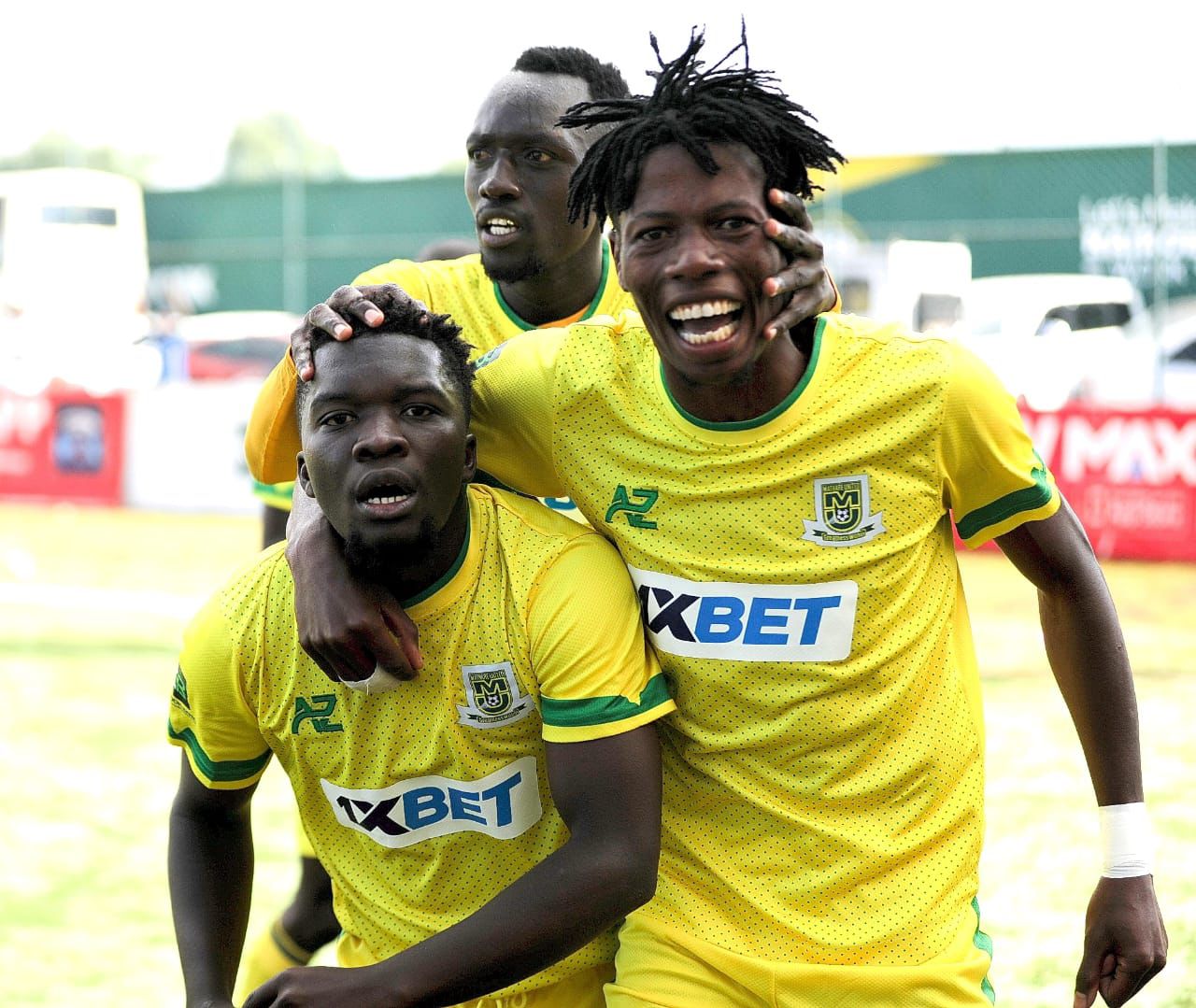
Mathare United FC

our history

Club History

1994: The Beginning

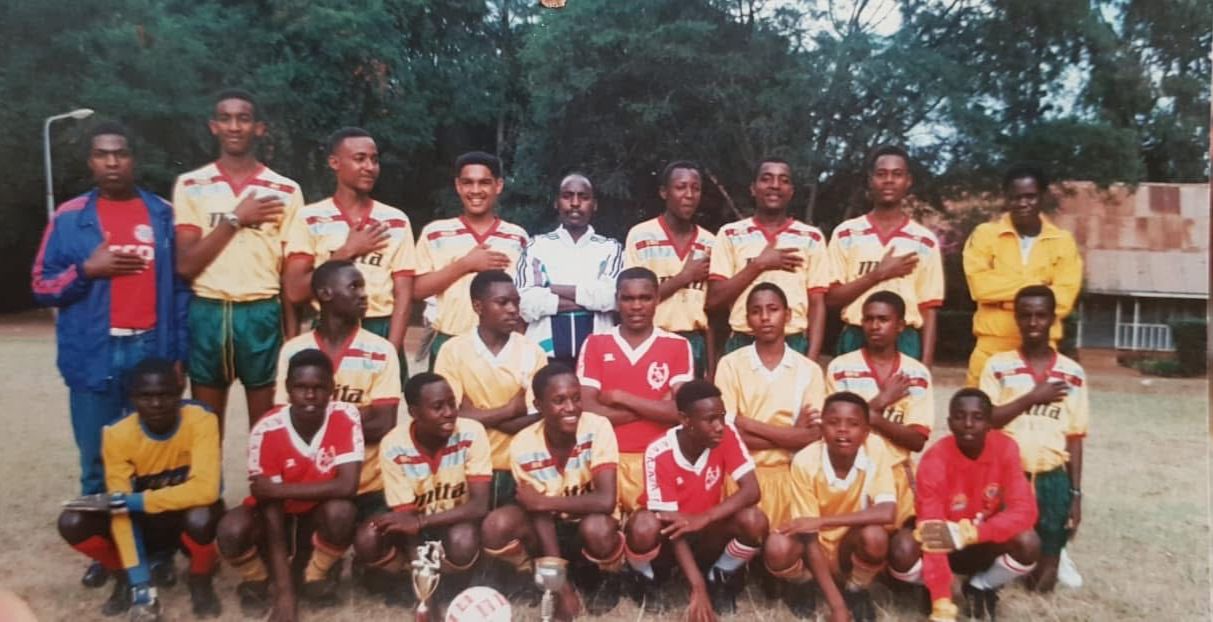
Mathare United Football Club (MUFC) is the professional extension of the globally renowned sports for development program, Mathare Youth Sports Association (MYSA). The club was founded in 1994 by Robert Donald Munro, popularly referred to as Bob Munro in Kenyan football circles, with a unique mission: to help youth in the Mathare slums and beyond escape poverty through football. The creation of Mathare United was brought about by necessity in the early 1990s, when young players seeking a football career had outgrown the Mathare Youth Sports Association (MYSA) Zonal youth leagues and were ineligible for the Norway Cup. The need, the players, the coaches and the name were already there; the only thing that was needed was the go-ahead which arrived in 1994. Club legends like Francis Kimanzi, Salim Ali, and Maurice Wambua, who had just two years earlier represented MYSA and Kenya at the 1992 Eco-Youth Games in Brazil as guests of football legend Pele, formed the first group of players at Mathare United.
1994–1999: Rapid Rise

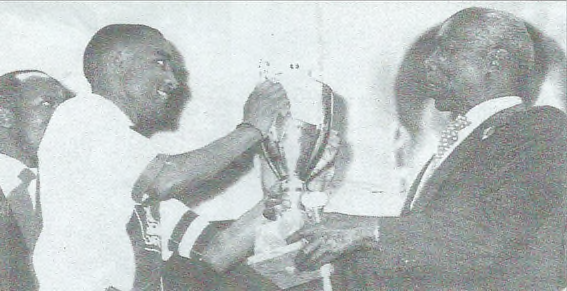
In 1996, the club won its first title, the Provincial Super League 2 Championship and two years later came the biggest accolade at the time, the 1998 President’s Cup, otherwise known as the Moi Golden Cup. And with this success, the club, for the very first time and just four years after being formed, qualified for continental football, featuring in the 1999 African Cup Winners’ Cup, later renamed the CAF Confederations Cup. That same year, the team also clinched the National Super Cup to earn promotion to Kenya's top tier league where they would stay for an incredible 25 years before the disappointment of relegation in the 2022/23 season. One more title, the Hedex Kenya Millennium Cup, would be added to our now bulging trophy cabinet before the turn of the Century in 1999.

2000-2004: Developing National Icons

This trajectory would continue in the 21st Century, as in the year 2000, the club would once again be crowned President’s Cup champions and return to the continental stage. In the years that followed, trophies would dry up for the club, but our league placing would significantly improve. In 2000, the Slumboys won their Premier League Group after winning 13 of 23 games and recording just three losses. This was replicated in the 2004/05 campaign as we won 12 matches and drew a further six to finish with 42 points. In the early 2000s, a period marred by management wrangles, Mathare United would only once finish outside the top five places in the league. It’s also during this period that great players like Dennis Oliech, Titus Mulama and Arnold Origi rose through our youth ranks to seal professional moves to France, Sweden and Norway respectively.

2005-2010: KPL CHAMPIONS

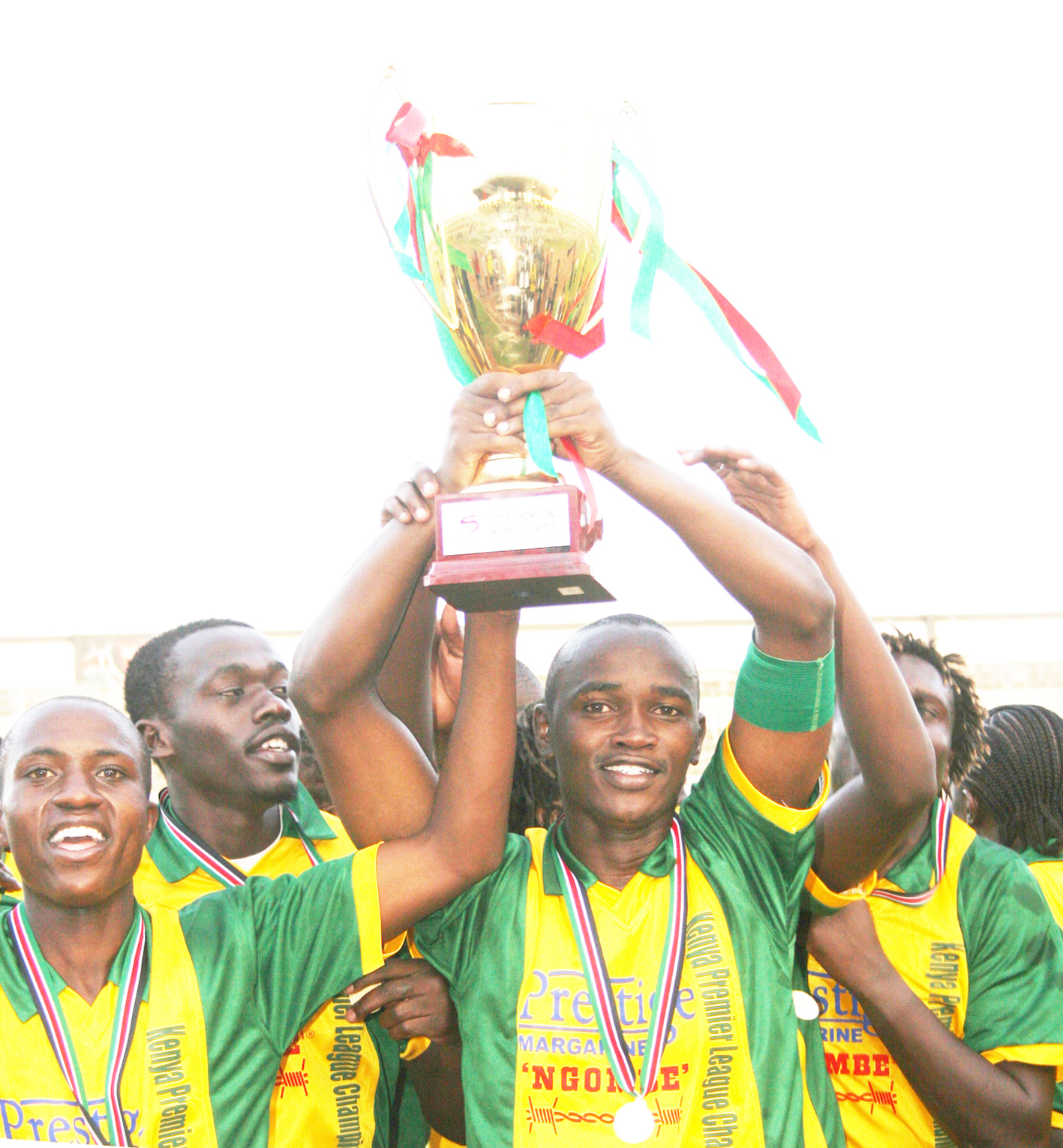
It was just a matter of time before we won our first league title. As the league switched to its current format in the 2006/07 season, the belief within the club that we would be crowned champions was palpable. We finished a close second that season with 56 points, just three behind champions Tusker. Despite the disappointment, the seeds were already sown, and a year later, under Coach Francis Kimanzi, we would finally be crowned Kenyan champions after amassing an impressive 63 points. Remarkably, 95% of the squad and technical staff that season came from MYSA programs – a true triumph for grassroots football. In that same year, Kenya’s national team registered its greatest ever FIFA world ranking of 68th, with more than 50% of the team being affiliated to Mathare United and MYSA. The head coach was Kimanzi, and among the notable players were Arnold Origi, Edgar Ochieng, Dennis Oliech, Anthony Kimani, Austin Makacha, Francis Ouma and Titus Mulama. The club would then make its first CAF Champions League appearance in the 2009 season but was eliminated in the preliminary round. 

2011-2015: back to our roots

The mass exodus of players at the beginning of the 2010 season coupled with financial challenges forced the club to turn to MYSA and promote several young players to the senior team. There was also a change in the coaching staff with Salim Ali and Stanley Okumbi taking over the reins at the senior team in separate stints following Kimanzi’s departure. A key highlight for this period was the crowning of Kevin Kimani as Kenyan Premier League Player of the Year despite Mathare United finishing in 12th place. The emergence of youthful players like Harrison Mwendwa, Eric Johanna, Daniel Mwaura, Robinson Kamura and Robert Mboya would shape Mathare United’s second rebuild under Kimanzi and Gabriel Njoroge.

2016-2020: SECOND REBUILD

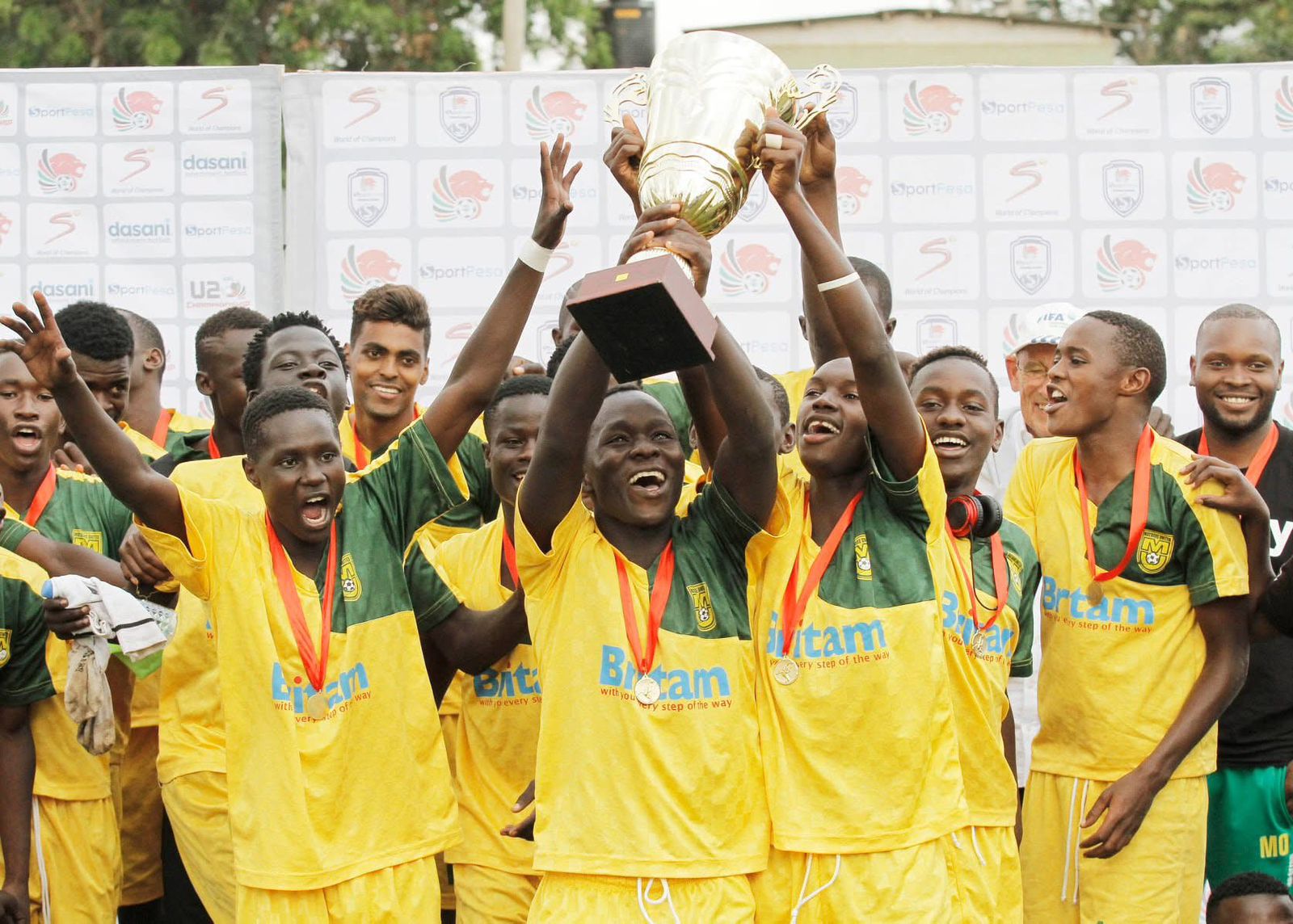
Kimanzi returned to the club in 2016 together with Salim Ali as his assistant. He made a bold decision in 2017 to promote over 10 youthful players who had won the Kenyan Premier League Under-20 tournament back-to-back in August and December 2016. These players included Lennox Ogutu, Andrew Juma, Samuel Semo, Job Ochieng’, David Owino, John Mwangi, Musa Oundo and Martin Ongori. This Under-20 team that was coached by Gabriel Njoroge was seen as the future of Mathare United. After struggling to adapt in the 2017 season where we fought relegation, the project finally took off the following season. Kimanzi built his team around this crop of youth players and the team enjoyed a period of stability for the next two seasons before Covid-19 pandemic cast a dark shadow on the project and Kenyan football at large. 

2021-2025: rising from the ashes

Mathare United was not spared from the financial distress that came with pandemic leading to a period of financial instability. This coupled with match-fixing ultimately led to our relegation in the 2022/23 season. This was the darkest period in the club’s history as we lost 24 matches in the league. The disappointment of relegation would not last long, though, as in the first time of asking, the club, first under Leonard Odipo and then Kimanzi, would make an immediate return to the Premier League after finishing second in the National Super League (NSL). With 25 wins from 38 matches, the club secured automatic promotion to the top tier league. Returning to the top league in the 2024/25 season, where we finished 10th under Coach John Kamau, coincided with the club’s 30th anniversary, marking another significant moment in our rich history.